
Looking forward to our next gathering!
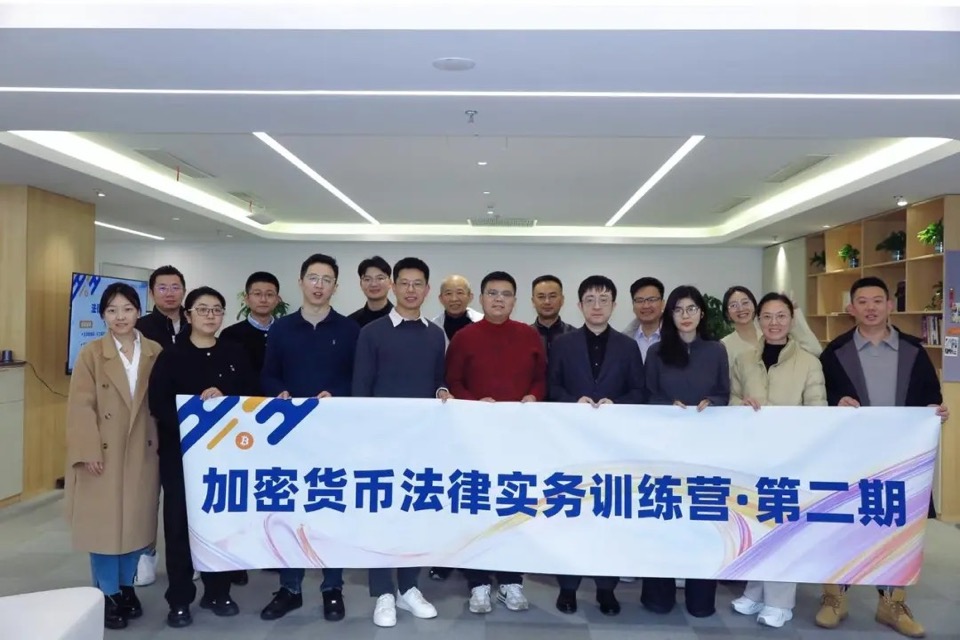
In March, Hangzhou was still chilly, but this did not dampen the enthusiasm for learning among lawyers, in-house counsel, and industry practitioners from across the country. The two-day "Crypto Assets Legal Practice Training Camp" Phase II Hangzhou Session has successfully concluded!
Three keynote speakers from Mankun Law Firm—Founder Lawyer Liu Honglin, Partner Lawyer Gao Mengyang, and Partner Lawyer Mao Jiehao, along withspecial guests Juzuo, Founder of HODLER and Coinback; Colin Chen, Senior Analyst and Training Instructor at Beosin—progressively covered four major dimensions: industry macro trends, on-chain technology, compliance pathways, and criminal defense strategies, presenting participants with a practical and replicable knowledge system.
The core objective of this training camp was tohelp legal professionals build three practical capabilities::
- Understanding the Business: Penetrate the latest developments in popular sectors such as real-world assets (RWA) and crypto payments, accurately identifying the legal nature of businesses and compliance red lines.
- Criminal Evidence Collection: Master the technical logic of wallet creation, on-chain transactions, and fund tracking, enabling the conversion of transaction codes into key evidence for prosecution or defense.
- Effective Defense Strategies: Thoroughly understand regulatory trends in Hong Kong and globally, capable of helping projects establish compliance structures and mounting effective defenses in criminal cases.
Day 1: Understanding the Latest Web3 Regulatory Trends, From Global Context to Practical Implementation

- "Business Trends and Legal Opportunities in the Web3.0 Blockchain Industry" - Liu Honglin, Founder of Mankun Law Firm
At the beginning of the course, Director Liu Honglin did not dive directly into dry legal provisions. Instead, starting from a macro business perspective, he outlined the latest landscape of the crypto world in 2026:
From the stablecoin arrangements of the Trump family, to the investment logic of Middle Eastern sovereign wealth funds, and the fact that global stablecoin trading volumes have far exceeded the total volumes of Visa and Mastercard, Director Liu used vivid cases to point out:Crypto assets are no longer a niche speculative game, but an important force reshaping global financial infrastructure.For legal professionals, this represents significant structural opportunities.
He systematically reviewed several key business sectors worth attention and their derived legal service demands:
- Stablecoins and Crypto Payments: A tenfold increase in cross-border payment efficiency will inevitably bring massive demand for legal services in compliance, taxation, and anti-money laundering from enterprises.
- RWA (Tokenization of Real-World Assets): How do traditional assets move on-chain? How is ownership confirmed? How are they issued in compliance? This is one of the most important legal blue oceans in the next five years.
- Exchanges and Project Developers: From license applications and compliance structure establishment to daily operations, the global market dominated by Chinese entrepreneurs urgently needs Chinese lawyers who understand the industry and the founders.
Lawyer Liu emphasized that the greatest investment for a lawyer is in their own career direction.Choosing Web3 is not just choosing an emerging business area, but choosing a professional path that engages with the future.

- "A Guide for Criminal Lawyers to 'Break Through' in Web3" - Juzuo, Founder of HODLER and Coinback
If the morning session helped participants see the overall industry landscape and trend directions, Teacher Juzuo's sharing was a high-density practical implementation session.
Starting from the most practical wallet operations and on-chain transactions, he guided participants step-by-step through the technical underlying layers of the Web3 world. "There is no love without reason, nor hate without cause." Teacher Juzuo used this phrase to summarize the essence of the on-chain world. Through live demonstrations, he showed:
- How are wallets created? Leaked mnemonic phrases, fake wallet websites... one can fall into traps at the very first step.
- How are transfers, swaps, and cross-chain operations performed? Behind every operation corresponds to an on-chain hash value that can be tracked.
- How do so-called "Honeypot Schemes" and "Meme Coins" operate? By setting code restrictions that allow buying but prohibit selling, their fraudulent nature is clearly visible under on-chain data.
Teacher Juzuo closely combinedtechnical logic with legal practice. He detailed how to track fund flows using blockchain explorers in criminal cases, how to identify and secure key evidence of "rug pull" projects, and the risk points and compliance responses in exchange OTC transactions. He made every lawyer present realize:In the Web3 field, without understanding technology, one cannot truly understand the case; without understanding on-chain data, one cannot conduct an effective defense.
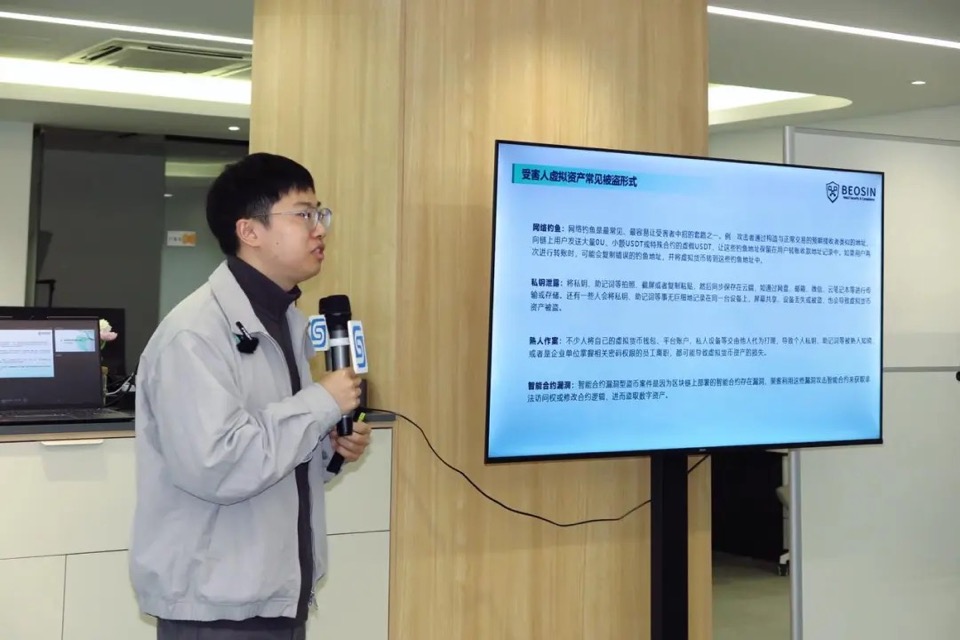
- "How to Assist Victims in Responding to Virtual Asset Theft/Fraud" - Colin Chen, Senior Analyst and Training Instructor at Beosin
Instructor Colin Chen brought a highly technical practical sharing on "on-chain tracking." He simulated a typical fund theft scenario, demonstrating the entire process from incident occurrence to tracking.
- Step 1: Identifying Addresses How to determine the victim's wallet address? How to confirm the suspect's receiving address? By using on-site screenshots, signature confirmations, and other methods, virtual addresses are linked to individuals in the physical world.
- Step 2: On-Chain Tracking Using blockchain explorers such as OKLink and Etherscan, by inputting the transaction hash, one can see how funds flow from Address A to Address B, Address C... forming a clear map of fund flows.
- Step 3: Piercing Anonymity Do the funds ultimately flow into an exchange? This is the key breakthrough! Colin explained in detail how to cooperate with judicial authorities to lock down on-chain addresses to real identities.
- Step 4: Forming Reports Transforming complex fund flow paths into visual fund flow charts and judicial analysis reports that judges and public security organs can understand at a glance is the core weapon for lawyers to intervene in cases and promote case filing.
This sharing allowed participants to truly feel the power that "the chain does not lie," and to master practical methods for transforming abstract technology into concrete legal evidence.
Day 2: Criminal Defense Strategies, Grasping the Core of Defense in Crypto-Related Cases
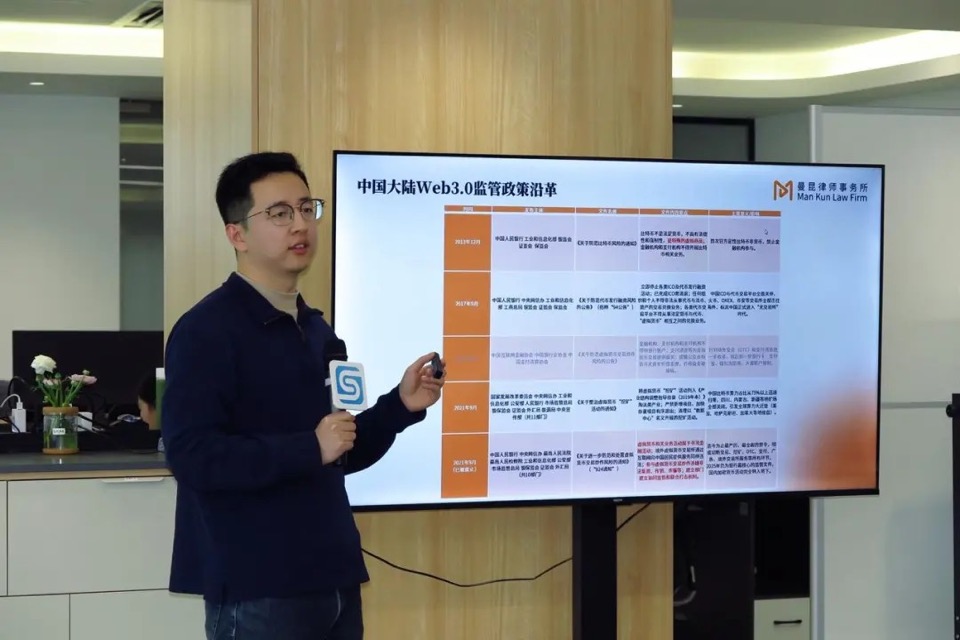
- "In-depth Analysis of Web3 Criminal Cases and Core Defense Strategies" - Gao Mengyang, Partner at Mankun Law Firm
On the second day, Lawyer Gao Mengyang brought the perspective back to the main battlefield of criminal defense. Combining numerous real cases he handled, he systematically reviewed the most common criminal charges in the Web3 field and their defense points.
- Fraud vs. Illegal Business Operations: Using a "certain pyramid scheme case in Northwest China" as an example, Lawyer Gao deeply analyzed how technical behaviors are identified as fraud in judicial practice, and the applicable boundaries and controversies of the crime of illegal business operations in USDT-related cases.
- "Long-Arm Jurisdiction" and Jurisdictional Objections: Addressing the industry's high concern over "long-arm jurisdiction" (often referred to as "ocean fishing" in Chinese context), Lawyer Gao did not stay at the emotional level. Instead, from a practical perspective, he shared how to use procedural weapons such as jurisdictional objections and applications for supervision of cross-regional case handling to break the presumption of guilt based on preconceptions.
- Determination of Involved Amounts: With the volatile prices of virtual currencies, how is the involved amount determined? Lawyer Gao, using the "case of a certain exchange executive" he personally handled as an example, demonstrated how to effectively defend against the involved amount through independent accounting and objections to audit reports, ultimately securing better results for the client.
Lawyer Gao repeatedly emphasized a core viewpoint:Truly effective defense lies not only in fierce confrontation in court, but begins with strategic communication at the initial stage of case filing, permeating through every stage of public security, procuratorate, and court proceedings, and every piece of evidence.
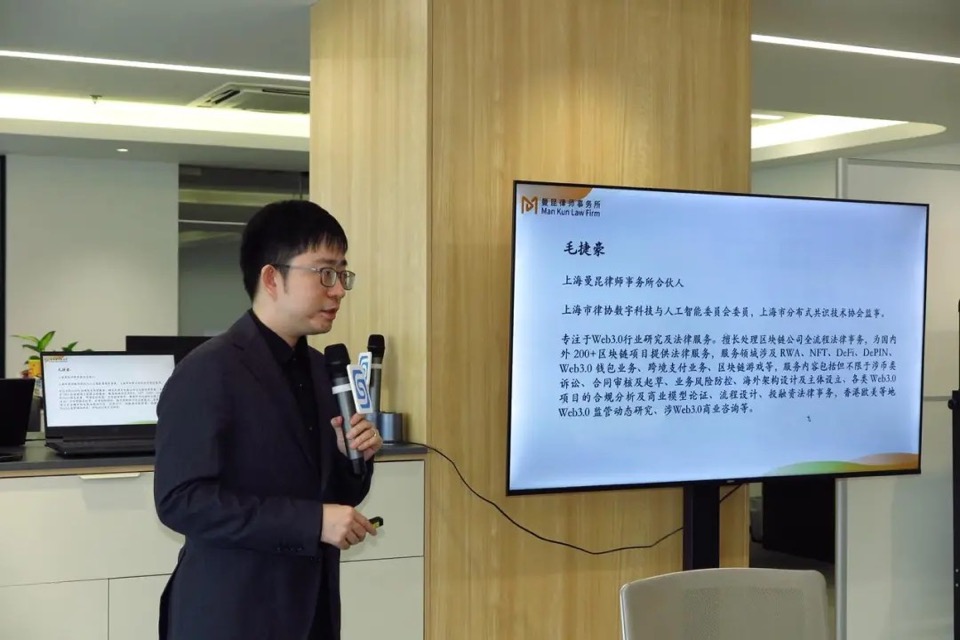
- "Interpretation of New RWA Regulations and Practical Responses" - Mao Jiehao, Partner at Mankun Law Firm
In the finale of the course, Lawyer Mao Jiehao introduced a key area in Web3 legal services—compliance business, especially the currently hot RWA sector.
Lawyer Mao first clarified the core definition of RWA:Digital Representation + Programmability, both of which are indispensable. Subsequently, combining the latest regulatory dynamics of the Hong Kong Securities and Futures Commission, he detailed thecompliance pathway for issuing RWA in Hong Kong using mainland assets。
- The Core Role of Mainland Lawyers: Under the framework of Document No. 42, the core work of mainland lawyers is the "confirmation of rights" of assets—ensuring the authenticity and legality of underlying assets, and excluding them from the "negative list."
- Hong Kong's Regulatory Logic: Emphasizing the stability and predictability of Hong Kong's regulation, and explaining the key role of "licensed parties" in connecting asset providers with market participants.
- Typical Case Analysis: By analyzing tokenized fund cases in Hong Kong and the United States, Lawyer Mao demonstrated how, after tokenization, assets can achieve 24-hour trading, efficient exit, and lending as collateral through smart contracts—innovative functions unimaginable in traditional finance.
Lawyer Mao's sharing pointed out the direction for lawyers aspiring to engage in high-end non-litigation business:Web3 compliance requires not only understanding law, but also finance, technology, and international regulatory trends, and acting as a "project manager" to integrate global resources to serve clients.

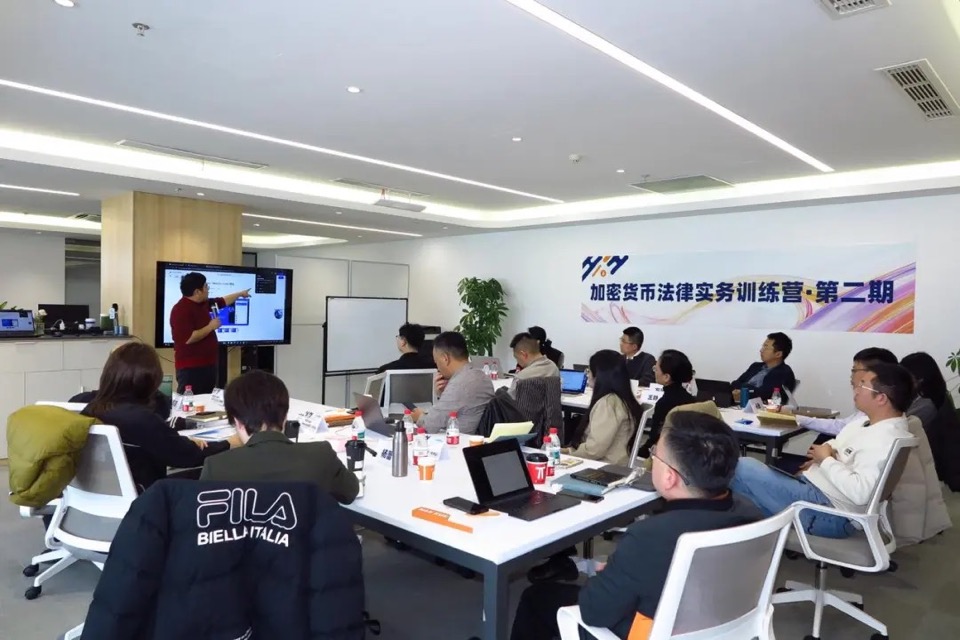

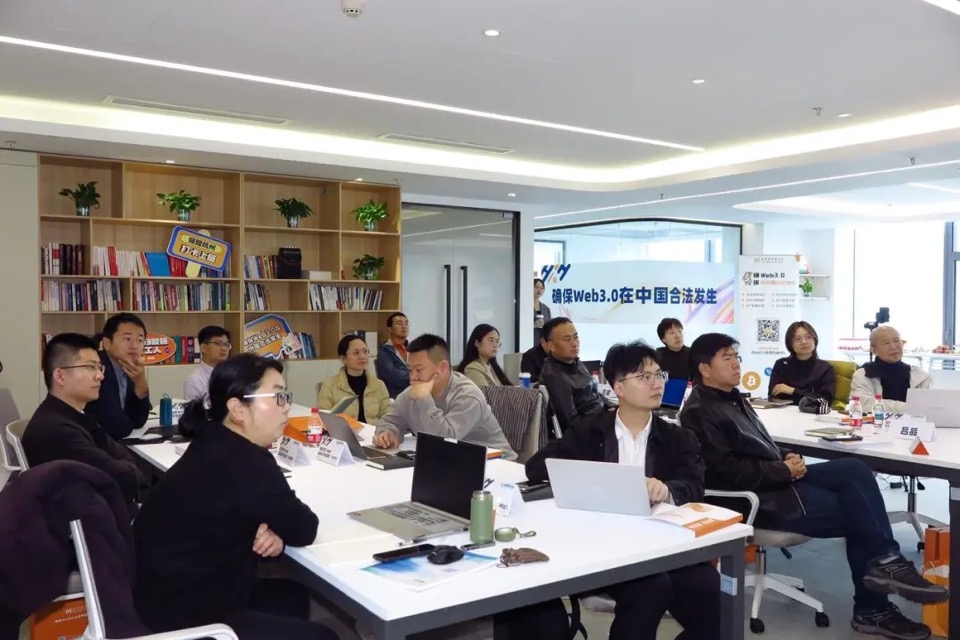
Q&A Session: Facing Real Problems, Solving Fundamental Pain Points
After two days of high-density courses, the most exciting interactive session arrived. Participants' questions went straight to the core, sparking lively discussions:
- "If domestic enterprises pledge data assets, and default occurs in the future, how exactly will this be enforced?"
Answer: This is the core pain point of current data assetization. Successful cases so far are mostly demonstration projects driven by relationships. The real legal challenge lies in how to evaluate the value of data assets when disposal is needed? Where is the market? Can enforcement procedures be implemented? This requires future answers from both law and technology.
- "If we only know the other party is 'doing quantification' but know nothing else, how can the money eventually be distributed correctly?"
Answer: This is precisely the core risk of quantification studios. If it involves own funds and self-developed strategies, the risk is lower. However, if external funds are attracted with promises of "principal protection and high interest," it may constitute fundraising fraud or illegal absorption of public deposits. Whether the money can eventually be distributed depends on the initial investment agreement and the method of fund pooling.
- "What knowledge reserve is needed for lawyers transitioning to Web3?"
Answer: First,Familiarity with Global Regulation, not just looking at China, but also understanding the dynamics of major markets such as the United States, Singapore, and Hong Kong. Second,Identify Target Client Groups, the core being Chinese enterprises going global and Chinese entrepreneurs. Third,Deep Engagement, do not just act as a lofty legal advisor, but like an industry insider, continuously monitor industry dynamics, becoming the client's information source and advisor.
- "What is the legal basis for public security organs determining the value of virtual currencies through third-party institutions?"
Answer: This is a common difficulty in current judicial practice. Because final judgments must be priced in RMB, a conversion process is necessary. However, the issue is that price determination should be conducted by qualified "Price Determination Centers," not electronic data appraisal institutions or accounting firms. This practice lacks clear legal basis and professional standards, which is precisely a point where lawyers can exert effort in defense.
Conclusion
At the next stop, we will continue to bring the most cutting-edge and practical industry training to legal professionals.
For priority registration for the next course, please add our staff member on WeChat 👇

Attending Lawyers
Liu Honglin, Founder of Mankun Law Firm. Member of the Youth Work Committee of the Shanghai Lawyers Association, Member of the Information Technology Work Committee of the Shanghai Lawyers Association, Member of the Legal Technology Committee of the Shanghai Lawyers Association. Lawyer Liu Honglin has 10 years of experience in law and internet entrepreneurship, having served as Vice President of a legal tech company strategically invested by Tencent, and Legal Manager of a private equity fund at a listed company. He excels at proposing operational and practical solutions for cases from the perspectives of business models and legal practice, maximizing commercial interests for clients.
Gao Mengyang, Senior Lawyer at Mankun Law Firm. Master of Laws from Shanghai University of Finance and Economics, with unique insights into platform operation models and governance in the new economy sector, able to provide clients with effective risk management strategies to prevent potential legal risks and resolve legal disputes. Lawyer Gao has presided over many large-scale criminal cases involving virtual currency exchanges, blockchain project criminal cases (DeFi, GameFi, NFT digital collections, ICO token issuance, etc.), and risk prevention and handling for crypto KOLs, all achieving good results.
Mao Jiehao, Partner Lawyer at Mankun Law Firm. Member of the Digital Technology and Artificial Intelligence Committee of the Shanghai Lawyers Association, Supervisor of the Shanghai Distributed Consensus Technology Association, Data Compliance Officer, focusing on Web3.0 industry research and legal services. Practice areas: civil and commercial legal issues and risks involving blockchain and crypto assets, investment and legal risks of crypto-related assets, Web3.0 enterprise compliance services, business models and risks, civil and commercial litigation and arbitration, corporate compliance legal issues, data compliance and governance, etc.
About Mankun
Mankun Law Firm was established in 2015 and is a boutique law firm in China focusing on the Web3.0 new economy and deeply cultivating the blockchain industry. Mankun team members possess unique and diverse industry backgrounds, coming from renowned legal service institutions, national judicial organs, internet technology companies, crypto asset institutions, blockchain industry think tanks, etc.
Based on a profound understanding of the new economy sector, continuous attention and research on policies and regulations, and rich practical experience, the Mankun team is adept at providing comprehensive legal services for new economy enterprises such as Web3.0, blockchain, AI, NFTs, digital collectibles, crypto funds, crypto payments, DeFi, RWA, and GameFi. These services include business structure design, project financing, transaction planning, operational compliance, resolution of complex civil and commercial disputes, criminal risk prevention and control, and criminal defense, from the perspectives of business models and legal practice.
Mankun Law Firm is headquartered in Shanghai, with branches in Hong Kong (China), Silicon Valley (USA), Shenzhen, Hangzhou, Zhengzhou, Chengdu, and other locations. Adapting to the global compliance development needs of Web3.0 industry clients, Mankun has established local offices in major global crypto-financial cities and selected local professional blockchain service partners, providing clients with professional legal and compliance services with global breadth and Chinese depth.