AI summaryA Guide for Web3 Knowledge Payment Practitioners to Avoid Pitfalls。A Guide for Web3 Paid Knowledge Practitioners to Avoid Common Pitfalls Live Courses: These allow for real-time interaction, providing an environment for immediate Q&A and discussion, which is particularly popular among learners seeking instant feedback.…
A Guide for Web3 Paid Knowledge Practitioners to Avoid Common Pitfalls
With the vigorous development of blockchain technology, Web3 is no longer merely a technical concept; it is gradually shaping a new internet ecosystem and business models. As of July 4, 2024, CoinMarketCap data showed that the total market capitalization of crypto assets exceeded USD 2 trillion. Multiple popular sectors, such as meme coins, inscriptions, Bitcoin Layer 2 (BTC L2), and TON, have attracted intense attention from investors and developers alike.
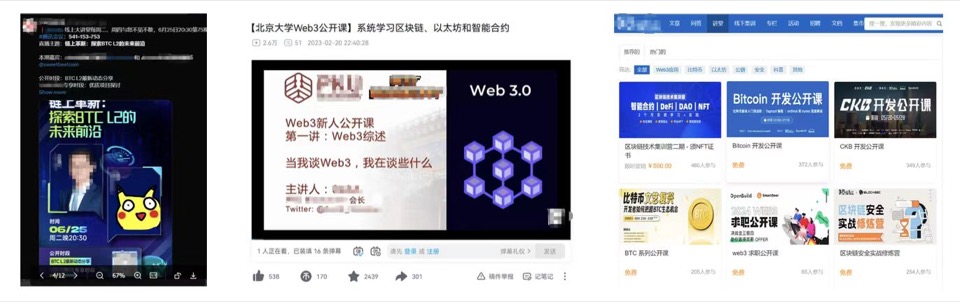
Due to the inherently high barriers to entry in Web3, the growing number of individuals attempting to enter the space has driven increased demand for Web3-related learning, directly fueling the expansion of the paid knowledge market. Whether through user education courses provided by Web3 project teams themselves, video or text-and-image courses on development and investment produced by key opinion leaders (KOLs), or education-focused crypto projects founded by figures such as CZ, such offerings have grown exponentially across the global internet.
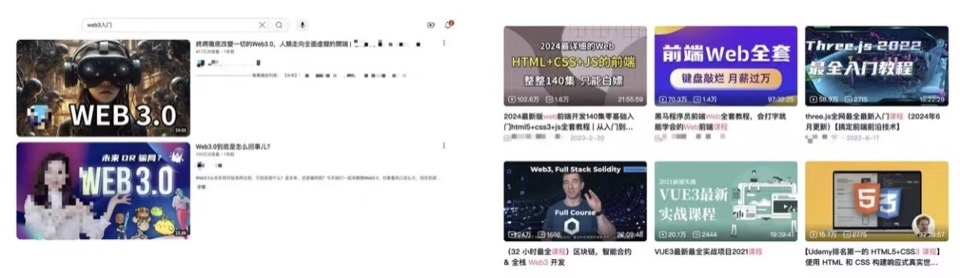 The most typical examples of data visibility can be seen on video platforms, such as YouTube abroad and Bilibili (B Station) in China. Not only are there numerous content creators uploading Web3 courses, but the view counts for these tutorial videos are also substantial (with the most-viewed videos reaching millions of views). This fully demonstrates that paid Web3 knowledge services, as an emerging force in the education and training sector, are gradually becoming a focal point of attention in China and globally. Meanwhile, these courses range from basic blockchain knowledge to advanced programming skills, covering areas such as general science popularization, blockchain technology, and high-level virtual currency investment.
However, the development of the Web3 paid knowledge market is not without challenges. While market demand is robust, practitioners face significant compliance risks, particularly concerning legal issues related to crypto assets within China’s judicial environment. In this context, understanding these legal challenges and identifying appropriate compliance strategies has become especially important. Below, Mankun Law Firm will delve into the current state of the Web3 paid knowledge industry and the primary legal and compliance challenges it faces.
The most typical examples of data visibility can be seen on video platforms, such as YouTube abroad and Bilibili (B Station) in China. Not only are there numerous content creators uploading Web3 courses, but the view counts for these tutorial videos are also substantial (with the most-viewed videos reaching millions of views). This fully demonstrates that paid Web3 knowledge services, as an emerging force in the education and training sector, are gradually becoming a focal point of attention in China and globally. Meanwhile, these courses range from basic blockchain knowledge to advanced programming skills, covering areas such as general science popularization, blockchain technology, and high-level virtual currency investment.
However, the development of the Web3 paid knowledge market is not without challenges. While market demand is robust, practitioners face significant compliance risks, particularly concerning legal issues related to crypto assets within China’s judicial environment. In this context, understanding these legal challenges and identifying appropriate compliance strategies has become especially important. Below, Mankun Law Firm will delve into the current state of the Web3 paid knowledge industry and the primary legal and compliance challenges it faces.
What Does Web3 Paid Knowledge Entail?
In terms of format, Web3 paid knowledge content most commonly exists online, including but not limited to:
-
Live Courses:These allow for real-time interaction, providing an environment for immediate Q&A and discussion, which is particularly popular among learners seeking instant feedback.
-
Video Courses:Through pre-recorded video tutorials, users can study according to their own schedules, making this the most versatile form of online learning.
-
Text and Text-and-Image Tutorials:Provided in the form of articles, blogs, or e-books to facilitate quick reading and comprehension.
A minority of Web3 paid-knowledge practitioners choose to build their own platforms to offer exclusive courses. While this approach offers greater flexibility, it requires strict adherence to telecommunications business regulations, such as obtaining the necessary ICP license.
In addition to online courses, there are also offline educational training programs. The most common examples are blockchain-related courses offered by certain universities or research institutions; for instance, colleges under Peking University and Tsinghua University both offer relevant Web3 courses and training.
Although the Web3 paid-knowledge market presents significant opportunities, practitioners must ensure that their educational products remain forward-looking and practical in a rapidly changing market. They must also ensure that all educational activities and content comply with local education requirements and applicable laws and regulations, thereby safeguarding the legality and sustainability of their operations.
What Content Must Not Be Taught?
In the field of Web3 paid knowledge, the legality of content is particularly critical. Web3 paid-knowledge content can generally be divided into two categories: one focuses on technical aspects, primarily involving program development and code usage; the other mainly concerns investment. Practitioners may break down their investment steps and share investment strategies within their courses.
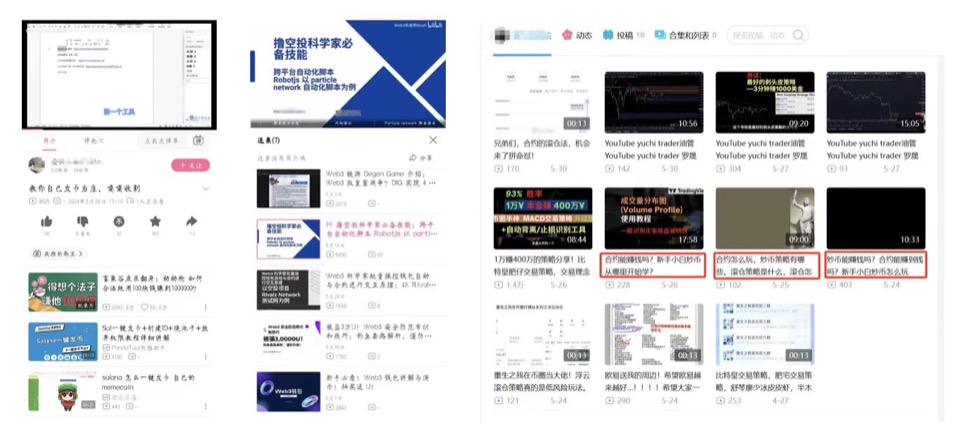 From a compliance perspective, educational content should avoid involving misleading marketing or providing illegal financial advice, especially in mainland China. On August 9, 2022, the Cyberspace Administration of China (CAC) published on its official website the article “CAC Launches Concentrated Campaign to Rectify Chaos Related to Virtual Currency Speculation,” which stated that since 2022, the CAC had continuously cleaned up and disposed of illegal and non-compliant information, accounts, and websites promoting and speculating on virtual currencies, closing 12,000 non-compliant user accounts and removing more than 51,000 pieces of non-compliant information.
Furthermore, the CAC guided local cyberspace administrations to conduct regulatory interviews with more than 500 business entities involved in the promotion and speculation of virtual currencies, requiring them to comprehensively remove information content promoting and speculating on virtual currency transactions. In accordance with the law, 105 website platforms specifically dedicated to marketing and hyping virtual currencies, publishing tutorials on cross-border coin speculation, or engaging in virtual currency “mining” were shut down.
At the same time, the promotion of Web3 investment-related content must also consider avoiding involvement in unapproved securities offerings or the provision of investment advice without proper licensing. For example, on June 20, 2024, the Eastern District Court of Hong Kong ruled that Mr. Huang’s sharing of securities investment information and advice in a Telegram group without holding the required license violated the Securities and Futures Ordinance, and imposed a fine on him.
From a compliance perspective, educational content should avoid involving misleading marketing or providing illegal financial advice, especially in mainland China. On August 9, 2022, the Cyberspace Administration of China (CAC) published on its official website the article “CAC Launches Concentrated Campaign to Rectify Chaos Related to Virtual Currency Speculation,” which stated that since 2022, the CAC had continuously cleaned up and disposed of illegal and non-compliant information, accounts, and websites promoting and speculating on virtual currencies, closing 12,000 non-compliant user accounts and removing more than 51,000 pieces of non-compliant information.
Furthermore, the CAC guided local cyberspace administrations to conduct regulatory interviews with more than 500 business entities involved in the promotion and speculation of virtual currencies, requiring them to comprehensively remove information content promoting and speculating on virtual currency transactions. In accordance with the law, 105 website platforms specifically dedicated to marketing and hyping virtual currencies, publishing tutorials on cross-border coin speculation, or engaging in virtual currency “mining” were shut down.
At the same time, the promotion of Web3 investment-related content must also consider avoiding involvement in unapproved securities offerings or the provision of investment advice without proper licensing. For example, on June 20, 2024, the Eastern District Court of Hong Kong ruled that Mr. Huang’s sharing of securities investment information and advice in a Telegram group without holding the required license violated the Securities and Futures Ordinance, and imposed a fine on him.
What Actions Must Not Be Taken?
The Web3 paid-knowledge industry typically relies onadvertising promotions and social media promotionsandcommission-based promotionpromoting their Web3 courses or training programs. Compared with advertising and social media promotion, commission-based promotion operates in a slightly different manner. For example, a well-known Web3 developer community in China allows users who publish courses to set commission rebate ratios. If someone shares a course link and facilitates subsequent transactions, the sharer may receive a proportional commission rebate.
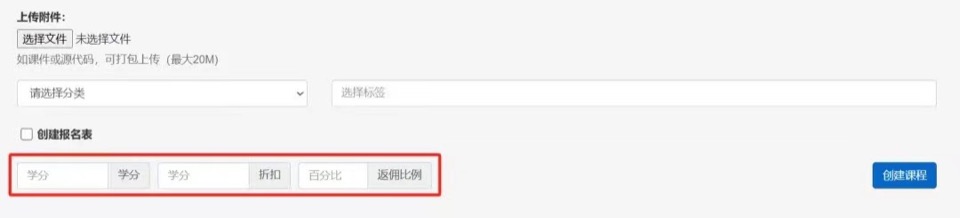
*Interface of a Web3 community setting commission rebates
However, it is worth noting that among the three behavioral models described above, commission-based promotion involves establishing a “distribution” model, which requires careful attention to the structure of rebate tiers; inadvertent design may give rise to risks of pyramid schemes. For instance, in Case No. (2021) Jin 05 Xing Zhong 33, the Jincheng Intermediate People’s Court of Shanxi Province held that in early 2013, Yi Mou 1 established the “Zhuoxun Network.” Under the guise of providing “Internet + Smart Education” services, it recruited participants and developed downlines. It successively operated various pyramid scheme models through the Zhuoxun Network, requiring participants to pay entry fees to obtain membership qualifications such as Ordinary Card, Gold Card, Diamond Card, and VIP Card. Rebates were based on the number of recruits and the membership fees collected, and members were classified into different roles across hierarchical levels from low to high. Both direct and indirect referrals could earn referral rewards at varying percentages of new members’ registration fees. The organization and leadership of pyramid selling activities involving thirty or more participants and three or more hierarchical levels constituted the crime of organizing and leading pyramid selling activities.
At the same time, in order to attract audiences, some course providers or practitioners intentionally use exaggerated headlines or fabricated yet appealing investment data in their promotions to draw attention. However, regardless of the country or region, content in advertising activities must be truthful and lawful, and false or misleading publicity is prohibited. For example, under China’s Anti-Unfair Competition Law, business operators shall not engage in false publicity regarding the quality, functions, or other aspects of their goods or services, thereby deceiving or misleading consumers. Course quality and service commitments should be clearly disclosed to consumers to avoid legal liability arising from false or misleading publicity.
Other Compliance Challenges
Of course, in addition to the two critical areas mentioned above, practitioners in the Web3 paid knowledge sector should also pay attention to the following two compliance issues:
1. Intellectual Property Disputes
Web3 paid knowledge involves the creation and distribution of substantial original content. However, the current reality is that a large volume of high-quality original articles is repurposed through practices such as article spinning and AI-generated videos, ultimately becoming profit tools for certain Web3 paid knowledge practitioners. In daily content creation and dissemination, Mankun Law Firm has also been troubled by this issue. Meanwhile, a common phenomenon in the Web3 industry is that some practitioners use “content reposting” as a means to utilize others’ original articles—some attribute the original authors, while others translate English-language content.
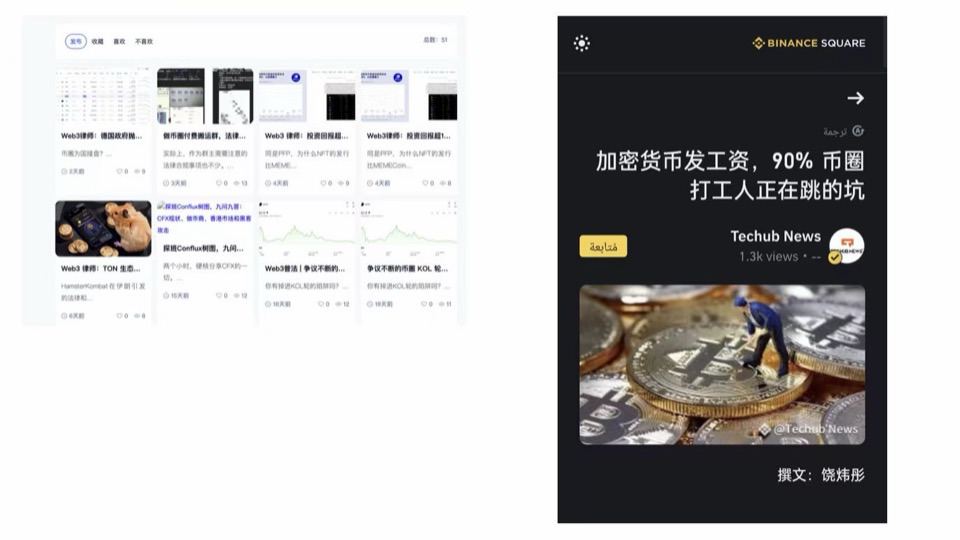 Under the Copyright Law and relevant international treaties, such as the WTO’s TRIPS Agreement, the protection of intellectual property rights is an international consensus. Therefore, the Web3 paid knowledge industry must ensure that tutorial content does not infringe upon others’ copyrights, and that content generated by the platforms themselves is also protected. In China, pursuant to the Copyright Law of the People’s Republic of China, practitioners must obtain appropriate authorization for all published content and properly address infringement issues.
2. Infringement of Consumer Rights
Whether in the traditional education and training sector or in Web3 paid knowledge services, consumers often face situations where the actual offering differs materially from what was advertised. Mankun lawyers have encountered cases in which a session purportedly focused on industry insights and investment techniques gradually shifted into promoting specific virtual currencies, the presenter’s own projects, or recommending copy-trading and commission-sharing arrangements. While free courses may pose fewer concerns, paid courses frequently infringe upon consumer rights.
Consumer protection laws are equally applicable to the Web3 paid knowledge sector. Under the Law on the Protection of Consumer Rights and Interests, service providers must ensure service quality and must not defraud or mislead consumers. Regarding course quality and service commitments, service providers should clearly disclose to consumers the specific course content, fees, refund policies, and measures for safeguarding consumer rights. This helps build consumer trust and reduces legal disputes arising from misunderstandings about the scope of services.
Recommendations from Mankun Lawyers
Amid the various legal challenges facing the Web3 paid knowledge sector, compliance advice not only helps practitioners mitigate risks but is also key to ensuring sustainable development. Below are specific recommendations proposed by Mankun lawyers in response to the aforementioned issues and challenges:
1. Teach Lawful Content
-
Ensure Content Legality:In mainland China, when creating and sharing paid knowledge content, practitioners should avoid involvement in illegal activities, such as providing guidance on trading virtual currencies, particularly in a jurisdiction like China that strictly prohibits cryptocurrency transactions. Practitioners in the Web3 paid knowledge sector must exercise caution to avoid publishing content that may violate these regulations, ensuring that all information complies with national laws and regulations.
-
Conduct Licensed and Compliant Courses:In the Hong Kong Special Administrative Region, practitioners offering Web3 investment-related courses must strictly comply with the regulations of the Securities and Futures Commission (SFC) of Hong Kong to ensure the legality of their course content. In particular, when providing investment advice, Web3 paid knowledge practitioners must hold the appropriate licenses. This is because the SFC has clear regulatory requirements for activities involving the provision of securities investment advice; providing such advice without authorization may be deemed unlawful and could lead to serious consequences, including fines or license revocation. Furthermore, course content involving token offerings and cryptocurrency investments must comply with Hong Kong’s legal framework for digital assets, avoiding any inducement or misleading of investors into engaging in illegal or unregulated financial activities.
2. Conduct Compliant Promotion
-
Lawful Advertising Practices:When conducting marketing and advertising promotions, all advertising and promotional activities must comply with the Advertising Law and the Anti-Unfair Competition Law. Representations and commitments must be truthful and accurate; practitioners must avoid using misleading or exaggerated language, such as promises guaranteeing investment returns. Promotional materials should be truthful and clear, and must not contain ambiguous statements or guarantees of specific investment returns.
Transparent commission structure:Commission-based referral programs must be carefully designed to mitigate legal risks, particularly to prevent potential pyramid scheme activities. Key measures include clearly defining the tiers and percentages of commission rebates to ensure no pyramid structure is formed; executing clear cooperation agreements with partners that detail the terms of engagement; publicly disclosing transparent promotional policies so that consumers clearly understand the participation details; and conducting regular monitoring and audits of the implementation of promotional activities to check for non-compliant practices, such as false advertising or illegal fundraising.
Other compliance recommendations
-
Copyright clearance and labeling:Establish a systematic copyright management process, including copyright verification and archiving. Ensure that all multimedia materials used (including text, images, videos, and audio) have obtained formal authorization or meet the standards for public domain status or fair use. Employ copyright management software to track and manage the copyright information for all materials.
-
Intellectual property education:Provide regular training on intellectual property matters to employees and content creators to enhance their awareness of copyright law and avoid unintentional infringement of others' intellectual property rights.
-
Clarity of terms of service:Prior to user registration or course purchase, provide the complete text of the terms of service, clearly specifying course content, pricing, refund policies, and user rights. The terms should be drafted in plain language, avoiding obscure legal terminology, to ensure that users can easily understand their rights and obligations.
-
Online interaction platform:Set up online customer service or an interactive platform to address user inquiries regarding the terms of service, thereby enhancing service transparency and user satisfaction.
-
Quality control mechanisms:Establish a rigorous course quality control process, including course content review, instructor qualification verification, and a user feedback system. Ensure that all course content complies with industry standards in the education sector and is delivered by qualified instructors.
By implementing the aforementioned recommendations, practitioners in the Web3 paid knowledge sector can not only enhance their legal compliance standards but also build consumer trust, thereby promoting the long-term and healthy development of their businesses.
The prosperity of Web3 has driven demand for paid Web3 knowledge services, attracting many individuals to actively enter this sector. While some practitioners focus on attracting traffic with sensational headlines, and others seek to exploit retail investors through investment strategies, there are also those who remain committed to delivering high-quality courses with integrity. Regarding how paid Web3 knowledge services should properly be conducted, we hope that readers will gain valuable insights from Mankun Law Firm’s analysis in this article.