Clear and Proactive Advancement in Crypto Regulation
As legal practitioners specializing in the Web3.0 new economy, lawyers at Mankun Law Firm frequently participate in high-quality industry events to obtain the latest information and insights. Recently, Jen Bai, Head of the Hong Kong Office of Mankun Law Firm, attended the "Web3 Connect" event hosted by Cyberport Hong Kong. The event discussed the current status and development of virtual asset regulation in Hong Kong, global trends in virtual asset regulation, and their impact on the industry.
Mankun Law Firm has specially compiled this article to summarize and share the main content of the discussion, providing Web3 practitioners with some tips and references for conducting business in Hong Kong in the near future.
Regulatory Environment for Virtual Asset Business in Hong Kong
In recent years, Hong Kong has taken several important measures in the regulation of virtual assets, gradually establishing and improving a sound regulatory framework. On June 1, 2023, the new licensing regime under the Anti-Money Laundering and Counter-Terrorist Financing Ordinance (AMLO) officially came into effect, requiring all centralized virtual asset trading platforms (VATPs) operating in Hong Kong to apply for dual licenses, including those under the Securities and Futures Ordinance (SFO) and AMLO. This regime marks a further step towards standardized management of the virtual asset market in Hong Kong, demonstrating its efforts to ensure market transparency and protect investor interests.
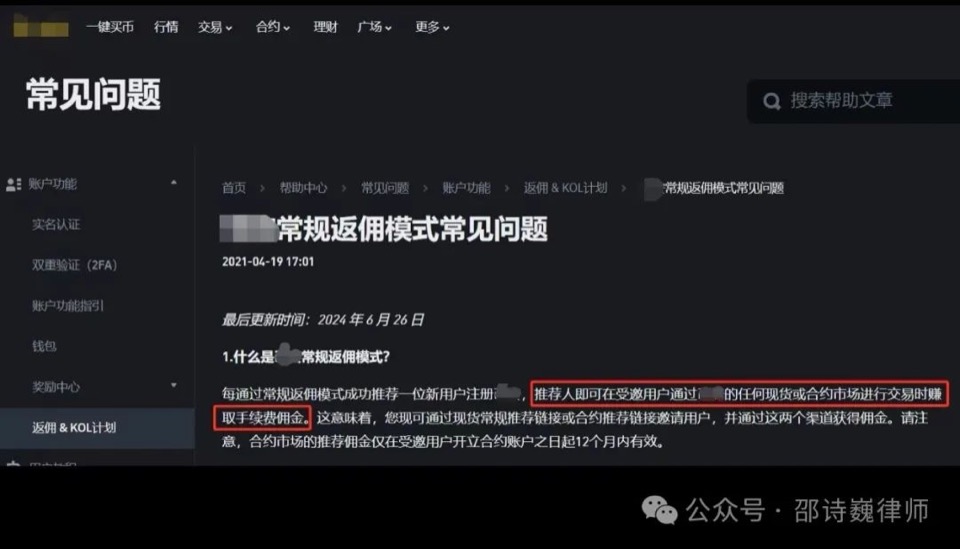
In addition, to fill the gap in unregulated over-the-counter (OTC) spot brokerage services, the Hong Kong Customs and Excise Department and the Inland Revenue Department are drafting relevant measures to address fraud cases arising from regulatory gaps. Through these initiatives, Hong Kong is striving to ensure a more robust regulatory framework for the entire virtual asset market. According to the consultation paper issued by the Financial Services and the Treasury Bureau of Hong Kong, there are currently approximately 200 over-the-counter virtual asset (OTC VA) shops in Hong Kong. Given that these shops require more traditional and physical regulatory methods, the Commissioner of Customs and Excise is considered the most suitable authority to regulate these establishments. Under the proposed OTC VA framework, there are several exemptions where a license is not required. For example, the following entities will be exempt from licensing requirements:
Virtual asset trading platforms (VATPs) regulated by the Securities and Futures Commission
Companies holding licenses from the Securities and Futures Commission
Banks and other authorized institutions regulated by the Hong Kong Monetary Authority
Once the new licensing regime for OTC VA service operators comes into effect, these operators will need to comply with anti-money laundering/counter-terrorist financing requirements under the Anti-Money Laundering and Counter-Terrorist Financing Ordinance (AMLO), as well as other relevant regulatory provisions.
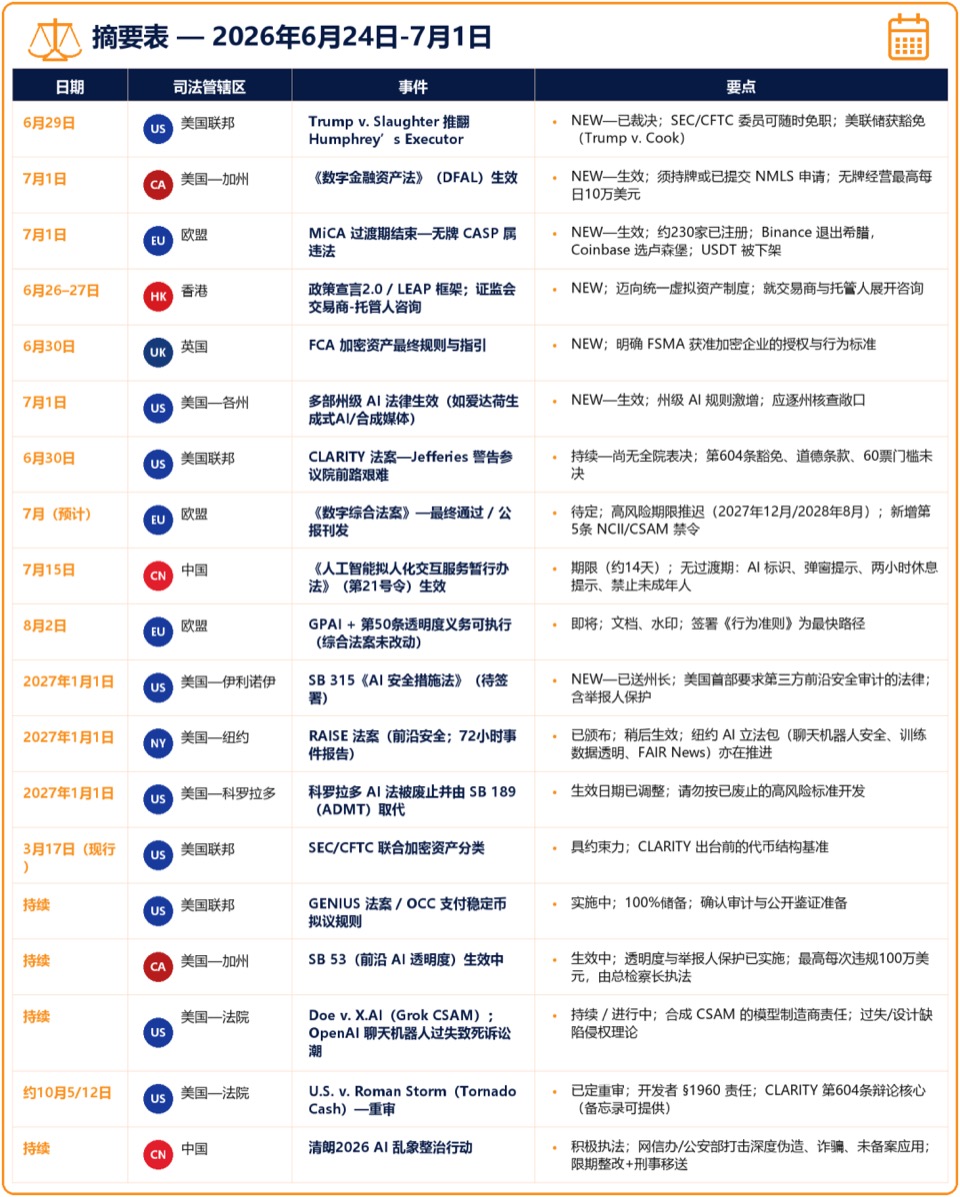
In March 2024, Hong Kong launched a stablecoin issuer sandbox, with expectations to submit recommendations for the relevant regulatory framework by the end of 2024. This framework not only requires all stablecoin issuers operating in Hong Kong to hold 100% reserve assets but also mandates regular audits and supervision. Under the proposed statutory fiat-referenced stablecoin (FRS) regulatory regime, the following types of entities must obtain an FRS issuance license from the Hong Kong Monetary Authority:
Institutions issuing FRS within Hong Kong
Institutions actively promoting their FRS issuance to the Hong Kong public
Institutions issuing FRS pegged to the Hong Kong dollar
By participating in the regulatory sandbox program, these institutions can gain valuable practical experience in meeting regulatory requirements and accumulate knowledge in compliance. The sandbox provides a controlled environment for enterprises to test their operations and business models, allowing for the early identification and resolution of potential issues. At the same time, this creates opportunities for enterprises to establish constructive cooperative relationships with regulators, laying a foundation of trust for the future development of the FRS market.
Launch of Virtual Asset Spot ETFs
Hong Kong has launched the world's first virtual asset spot exchange-traded fund (ETF), marking a significant milestone in the Asian region. These ETFs directly track the prices of virtual assets such as Bitcoin or Ethereum, providing investors with a channel to trade virtual assets within traditional securities markets. This initiative not only offers institutional and retail investors a safer and more transparent investment method but also reduces the complexity and risks associated with holding and trading virtual assets.
Through this ETF, Hong Kong has further consolidated its leadership position in the cryptocurrency and blockchain fields, attracting widespread attention from global investors. Within Asia, other regions (such as mainland China) maintain a cautious attitude towards cryptocurrencies, while Hong Kong's forward-looking policy has undoubtedly gained it a competitive advantage in global crypto-related investments and business.
Advancement of Asset Tokenization
Beyond the development of virtual assets, Hong Kong is also vigorously promoting innovation in asset tokenization. In 2023, the Hong Kong government launched its own NFT project, and in February 2024, it issued green bonds. It is expected that the regulatory framework for tokenization will be fully implemented by 2027, further promoting innovation and compliant development in the virtual asset sector in Hong Kong.
Regulatory Transparency in Global Competition
Hong Kong and Singapore are known as "crypto-clear" jurisdictions. Compared to other jurisdictions, these two regions provide relatively clear guidance on the regulation of virtual assets. Although Hong Kong and Singapore are sometimes referred to as "crypto-friendly" regions, perhaps "crypto-clear" is more appropriate to describe their regulatory environments.
Additionally, Hong Kong's virtual asset regulatory requirements, such as the requirement that 98% of client virtual assets be stored in cold wallets, are among the strictest standards globally. While this high standard enhances investor confidence, it also imposes a significant operational burden on virtual asset trading platforms.
Challenges in Virtual Asset Regulation in the United States
Compared to Hong Kong, the virtual asset regulatory environment in the United States involves considerable uncertainty. The U.S. Securities and Exchange Commission (SEC) typically adopts a "regulation by enforcement" approach, which exposes virtual asset-related enterprises to high litigation risks. Due to the lack of regulatory clarity, many enterprises are hesitant to develop virtual asset businesses in the United States, severely hindering innovation in this field.
Currently, Hong Kong has successfully piloted the digital Hong Kong dollar, whereas the United States has not yet launched a digital dollar, and domestic Web3 projects in the U.S. face significant regulatory challenges. Differences in laws between states, along with overlapping responsibilities between the SEC and the CFTC, further exacerbate the complexity and uncertainty of the U.S. virtual asset market. Furthermore, there is still no consensus in the United States on the definition of "securities." Although the "Howey Test" is widely adopted, it does not completely resolve the controversy over whether virtual assets constitute securities. In contrast, Hong Kong's regulatory environment is clearer, providing more guidance for enterprises.
The GL1 Initiative and Cross-Jurisdictional Collaboration
To this end, the Monetary Authority of Singapore (MAS) is studying the GL1 initiative, which aims to establish a shared ledger infrastructure based on distributed ledger technology (DLT). GL1 will allow regulated financial institutions to deploy interoperable digital asset applications across jurisdictions. This infrastructure can unlock liquidity fragmented across multiple platforms, helping financial institutions collaborate more efficiently. GL1 was just released in June 2024 and is expected to continue for several years, aiming to build the foundational digital infrastructure that will shape the future financial network. GL1 has the potential to fundamentally change the lifecycle of assets and the operation of capital markets, but achieving this goal requires multilateral cooperation across multiple jurisdictions, involving extensive collaboration between the public and private sectors. The scale of such cooperation is unprecedented since the birth of the internet.
Tax Challenges for Virtual Assets in Japan
Although Japanese financial regulators have recently considered treating cryptocurrencies as financial assets for taxation purposes, under the tax system currently enforced in Japan, the tax rate on virtual assets is as high as 55%, and businesses are calling for it to be reduced to around 20%. In addition, Japan's stablecoin regulation faces challenges. Due to the Bank of Japan's long-term maintenance of low or even negative interest rates, stablecoin issuers cannot profit from interest on reserves, resulting in poor economic benefits for stablecoin issuance. Compared to other countries, stablecoin issuers in Japan face greater pressure to generate profits and may need to explore other support models in the future to enhance their sustainability.
Global Applications of Stablecoins
Stablecoins are rapidly driving the development of financial markets. Currently, the market capitalization of USDC is $34 million, and it is traded on 16 different blockchains. The stablecoin portion of MiCA (Markets in Crypto-Assets Regulation) has already come into effect in Europe, providing a legal framework for the regulation of global stablecoins. In the future, countries around the world need to explore practical application scenarios for stablecoins to ensure their robust development in financial markets.
Summary by Mankun Lawyers
In an era of rapid development in virtual assets, compliance has become the cornerstone driving the industry forward. As builders of compliance in the virtual asset sector, we must always stand at the forefront of compliance to promote the healthy development of the industry. Through high-standard regulatory measures and a clear legal framework, Hong Kong has demonstrated its leadership position in the global virtual asset market.
Looking ahead, countries around the world will continue to explore the regulation and innovation of virtual assets. Only under a sound regulatory framework can the virtual asset industry achieve sustainable development. As industry participants, we must not only pay attention to current market dynamics but also contribute to future compliance construction.
/ END.
*This article is an original work of Mankun Law Firm. It represents only the personal views of the author and does not constitute legal consultation or legal advice on specific matters. More Web3 practitioners are welcome to contribute articles or provide tips. For reprinting permissions and legal consultation, please add customer service: MankunLawFirm.
Author of this Article