

Legally Generating Income (Benefits at the End of the Article)
Friends often ask me why I am so convinced that Web3 will take root in China.
My answer encompasses multiple perspectives. In addition to Attorney Hong Lin’s long-term observations on technological change and his patriotic commitment, there is a more critical reason: China possesses a large pool of outstanding internet talent, particularly product managers, user growth specialists, and technical developers who have been rigorously tested by major internet companies.
If Chinese professionals in these fields rank second globally, it is unlikely that anyone else would claim the top spot. Success depends on human effort; without daring entrepreneurs and tireless workers, it is difficult to grow and scale an innovative venture or sector.

During a recent business communication meeting at Mankun Law Firm, I heard the head of Mankun’s marketing department share a report on data regarding Web3 job seekers. The report covered information such as applicants’ prior backgrounds, types of inquiries, and target employers.
Although I frequently communicate with entrepreneurs and practitioners in the industry, I believe that these objective data provide a more comprehensive understanding of the current landscape of legal risks in the Web3 industry, as well as the main concerns and questions job seekers face when seeking employment in Web3.
The original intention behind writing this article is to share these data with readers, hoping to help more job seekers find desirable positions in the Web3 sector while reducing legal risks and achieving wealth through lawful means.
Types of Employers: The Rise of Decentralized Enterprises
Based on the consultation cases received by Mankun lawyers, the types of target employers for job seekers are showing diversified development. In addition to decentralized finance (DeFi) platforms and public blockchain projects, many well-known centralized trading platforms have also attracted a large number of job seekers. Furthermore, some job seekers are employed by enterprises related to Web3 wallets and on-chain data analysis, typically working remotely for overseas Web3 projects. This diversity of employing entities complicates issues such as labor contracts and salary payments, making cross-border legal risks particularly prominent.
According to our survey data, the growth rate of consultations related to decentralized finance platforms is the highest among all types of institutions. After all, companies closely linked to capital flows tend to attract more job seekers. Meanwhile, centralized trading platforms also offer numerous positions, but these enterprises are often established in jurisdictions with relatively lax regulatory oversight. As a result, job seekers are more concerned about the legality of labor contracts and the compliance of virtual asset payment methods.
Backgrounds of Job Seekers: Transitioning from Web2 to Web3
Consultation cases show that over 70% of job seekers come from traditional Web2 fields, including internet technology, product design, business development (BD), and the financial industry. This phenomenon indicates that the appeal of Web3 is not limited to technical experts; it also attracts many practitioners from traditional internet and financial sectors who are actively transitioning into the Web3 sector.
According to our data research, approximately 65% of Web2 practitioners expressed strong interest in the Web3 sector, primarily because compensation levels in Web3 are generally higher than in the traditional Web2 industry, with an average premium of approximately 20%. However, job seekers undergoing this transition typically lack a thorough understanding of the legal framework governing Web3, particularly in emerging areas such as smart contracts and tokenomics, leaving them with significant questions and uncertainties.
High-Demand Roles and Legal Risks
Consultation cases indicate that job applications are concentrated in business development (BD), software engineering, product management, data analysis, and UI design. While these roles appear similar to those in the Web2 industry, the legal issues involved in the Web3 context are significantly more complex.
For example, the core responsibility of software engineers is to develop and maintain smart contracts. However, vulnerabilities or errors in smart contracts can lead to substantial financial losses and even trigger legal disputes. Industry data shows that global financial losses due to smart contract vulnerabilities reached USD 3 billion in 2023, exposing software engineers to significant legal liability and compliance pressure. In addition, BD personnel must address the risk of illegal fundraising when promoting projects and conducting token financing, ensuring that business processes remain lawful and compliant. Meanwhile, product managers and UI designers must ensure that product privacy policies comply with global data protection regulations to avoid infringing on user privacy.
Core Concerns of Job Seekers: Policy and Compliance
Analysis of consultation data reveals that job seekers’ legal concerns are primarily focused on the following areas:

Changes in domestic regulatory policies.As global regulation of Web3 intensifies, many job seekers worry whether their work may cross domestic or international regulatory red lines. In China in particular, laws and regulations concerning virtual currencies and token issuances are relatively strict, leading many job seekers to raise questions about their prospective employers’ business compliance before accepting offers.
Employment Contracts and Remote WorkRemote work has become the norm in the Web3 industry, but it also raises numerous legal issues related to cross-border employment contracts. Job seekers are generally concerned about the validity of employment contracts, especially when such contracts involve compensation in virtual assets. According to Mankun Law Firm’s data research, the proportion of remote work in the global Web3 industry is as high as 60%, meaning that more job seekers face legal disputes and challenges in safeguarding their rights under cross-border employment contracts.
Legality of Token-Based Compensation.An increasing number of Web3 companies compensate employees with tokens, but this payment method may create uncertainty due to token volatility and tax compliance issues. Job seekers often worry whether receiving wages in virtual assets complies with local tax laws and how to ensure that their compensation is not adversely affected by fluctuations in the token market.
Criminal Liability Risks.Given the close ties between the Web3 industry and finance, particularly the anonymity inherent in virtual currency transactions that heightens the risks of money laundering, fraud, and other unlawful activities, many job seekers are concerned about potential criminal liability when engaging in related work. According to statistics compiled by Mankun Law Firm, the number of criminal cases involving virtual currencies worldwide increased by 15% year-over-year in 2023, leading to heightened vigilance among job seekers regarding legal risks.
Industry Outlook
The rapid expansion of the Web3 industry has created broad employment opportunities for job seekers. At the same time, job seekers must confront potential legal risks. Whether it involves token-based compensation, remote employment contracts, or criminal liability risks, job seekers should carefully evaluate the legal challenges they may face. For enterprises, providing clear legal safeguards and a compliance framework is equally critical, as this is key to attracting and retaining talent.
Practitioners understand practitioners best. As a boutique law firm deeply rooted in the Web3 industry, nearly half of the colleagues at Mankun Law Firm have prior work experience with well-known Web3 institutions. If you have any legal questions related to job seeking and professional practice in Web3, please feel free to contact Mankun Law Firm.
Reader Benefits
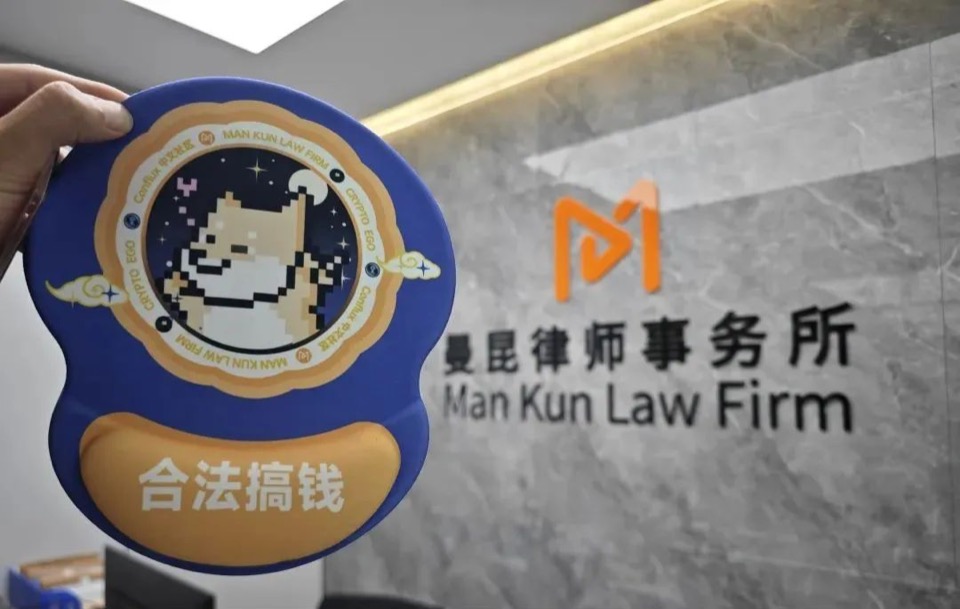
We invite you to follow Mankun Law Firm. Share this article on your WeChat Moments, take a screenshot, and send it to our official account’s backend to participate in the Mankun fan benefits lucky draw. We will select six lucky winners, each of whom will receive a limited-edition Mankun Law Firm merchandise item: a “Make Money Legally” mouse pad.
/ END.
Recommended Reading:
- For Newcomers Working in Web3: Which Companies Should You Avoid? | Mankun Law Firm Legal Education
2. What Legal Issues Concern 99% of Crypto Industry Workers? | Mankun Law Firm Legal Education
*This article is an original work by Mankun Law Firm. It reflects only the personal views of the author and does not constitute legal consultation or legal advice on specific matters. We welcome more Web3 practitioners to contribute articles or provide tips. For reprints and legal consultations, please add our customer service contact: MankunLawFirm.
Author of this Article