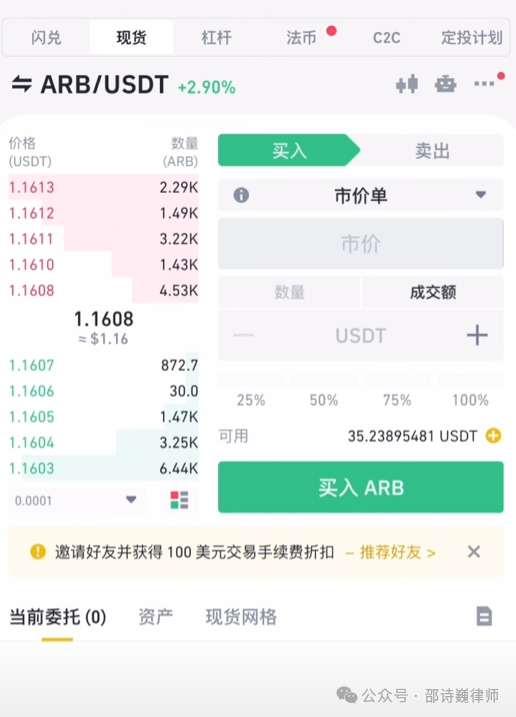

Azhu, stop. The police are everywhere outside.
In our previous article, Mankun Law Firm noted that a wave of hype around real-world assets (RWA) has swept domestic social media platforms. Claims such as “RWA is the key to wealth” and “Invest in RWA and achieve financial freedom within three years” abound, from Douyin and WeChat Channels to WeChat groups and offline seminars, with promoters making extravagant assertions. Among them are those seeking attention and followers, course sellers, and intermediaries facilitating illicit schemes; but the most criminally liable are those leveraging the RWA concept to operate Ponzi schemes. Today, we will thoroughly examine these actors, expose their practices, and remind elderly investors to remain vigilant and safeguard their retirement savings.
RWA Has Been Misappropriated: The Five-Piece Toolkit of Ponzi Schemes Goes Live
Recently, while browsing WeChat Channels, this lawyer’s eyes were nearly strained to blindness. Numerous accounts daily tout “RWA tokens.” Upon closer inspection, these are not legitimate real-world assets (RWA); rather, the operators have simply branded their own worthless tokens as “RWA” and are aggressively riding the concept. They deploy buzzwords such as “empowering the real economy,” “integration of virtual and physical assets,” and “the future of blockchain,” delivering presentations so convoluted that listeners are left confused. More absurdly, the visual style of these WeChat Channel videos constitutes the “standard configuration” of Ponzi schemes:
- Whiteboard Presentation: A sharply dressed “lecturer” uses a marker to draw diagrams on a whiteboard, calculating returns and outlining structures, creating an appearance of legitimacy.
- Red Banners: The backdrop features large banners with phrases such as “Web3 Wealth Summit” and “RWA Global Ecosystem Conference,” printed in white characters on red backgrounds, exuding a festive atmosphere reminiscent of the Lunar New Year.
- Display Boards: Walls are covered with “project introductions” and “global expansion plans,” filled with English text and technical jargon, as if every available surface must be plastered with information.
- Banknote Counters and Cash Stacks: Banknote counters are placed on site alongside stacks of red banknotes, implying that “investing will yield such substantial profits.”
- Seated below are numerous elderly attendees, their eyes filled with “hope for sudden wealth.” One need only ask whether such a scene opens the door to fraud! Based on Mankun Law Firm’s many years of case-handling experience, if this is not a Ponzi scheme, I will eat my keyboard!
Below are screenshots of scenes reported from WeChat Channels for your reference:
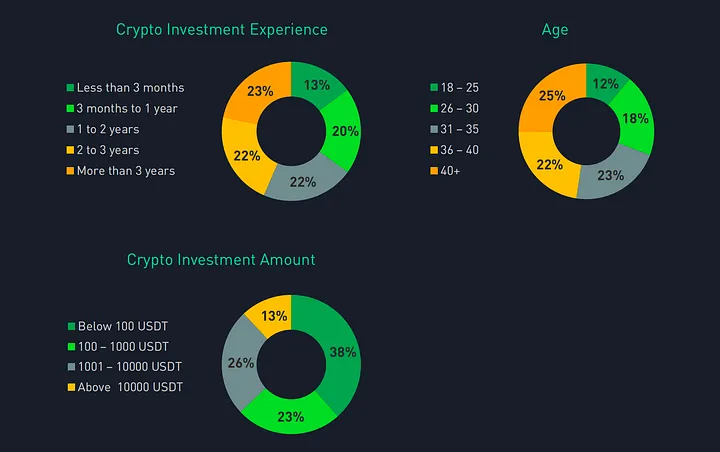

(The above images are all sourced from WeChat Channels; viewers are welcome to identify similar scenarios.)
Harvesting Retail Investors Under the Guise of “Web3 Evangelists”
The names of these accounts are increasingly grandiose, such as “Web3 Evangelist,” “Evangelist for real-world assets (RWA),” and “Blockchain Wealth Mentor.” These terms have been so overused by them that they have nearly become pejorative. They also frequently claim to be “industry pioneers,” boasting of “ten years of deep involvement in blockchain.” However, a quick check reveals that blockchain was not yet popular ten years ago—what exactly were you deeply involved in?
Were you deeply involved in P2P lending? What is even more ridiculous is that their WeChat Channels profile bios are filled with phrases like “leading everyone to embrace Web3” and “RWA is the future trend.” When you click on their videos, you find nothing but brainwashing tactics:
First, they bombard viewers with incomprehensible jargon, such as “staking,” “compound interest,” “smart contracts,” and “algorithmic supply-demand equilibrium.” In the end, elderly listeners only remember one message: “Invest and you will get rich quick.”
Next, they dangle a “once-in-a-lifetime opportunity,” telling you that “RWA is the ultimate form of blockchain, and missing it will lead to lifelong regret.”
Finally, they offer “limited-time promotions,” such as “invest 10,000 now and receive 5,000 tokens” or “30% commission for recruiting new members,” which reeks of pyramid schemes.
My friend, nothing this good exists in reality. Genuine RWA involves serious financial products, asset securitization, and compliance with regulatory oversight; it is not something to be peddled through offline hawking. These so-called “evangelists” do not understand RWA at all; their “ecosystem” is merely a Ponzi scheme specifically targeting the pension savings of the elderly.
Why do they specifically target the elderly? Because young people are not easy to deceive.
Have you noticed that the audiences at the offline events of these Ponzi schemes consist almost entirely of elderly individuals? Why? Because they cannot fool young people. The post-95s and post-00s generations are highly proficient in Web3, actively trade meme coins, and can easily determine whether a project is a scam by checking contract addresses and conducting basic research. If you try to engage them with offline lectures, cash deposits, and referral commissions, they will simply ignore you and head on-chain to participate in airdrops.
The elderly are different. They are often confused about blockchain and Web3 concepts. When they hear sophisticated terms like “RWA” and “Web3,” their minds focus on only one idea: making substantial profits. They do not know how to review whitepapers or analyze on-chain data; they readily believe whatever promises the lecturers make. Moreover, these Ponzi schemes are adept at emotional manipulation, using narratives such as “investing in RWA is building wealth for future generations” or “not investing means falling behind the times.” Once stirred up, the elderly willingly hand over their pension savings.
To be fair, the elderly are not foolish; they simply place too much trust in “experts.” Unfortunately, these “experts” are either incompetent or malicious, exploiting information asymmetries to prey on the elderly. Do they not feel any remorse?
The Tactics of Ponzi Schemes: Three Standard Moves with a Pyramid Scheme Flavor
The tactics employed by Ponzi schemes piggybacking on the RWA concept can be summarized into three standard moves:
Hype:First, they hype real-world assets (RWA) as the “ultimate blockchain opportunity,” bombard you with lofty jargon to confuse you, and then tell you that “now is your last chance to get on board.”
False Promises:They project returns for you, casually claiming “50% annualized yield” or “doubling in six months,” and present a slew of “success stories,” which are in fact entirely photoshopped or manipulated backend data.
Pressure to Close:Limited-time offers, referral commissions for recruiting participants, and team dividends—blatant pyramid-scheme tactics—pressure you to pay up immediately and rope in relatives and friends to “get rich together.”
What is even more egregious is their penchant for “offline experiences.” They rent hotel conference rooms, display cash-counting machines and stacks of cash, and hire shills to shout on site, “I invested 100,000 and have already earned 500,000.” Elderly attendees get carried away and hand over money on the spot. Friend, this is not investing; this is falling into a trap!
The “RWA tokens” issued by these Ponzi schemes are not backed by any underlying assets. Genuine RWA, such as those issued in Hong Kong, involve financial products at the intermediate layer and valuable, income-generating assets at the base layer, with clear cash flows and regulatory endorsement. With your tokens, you cannot even specify what physical projects the proceeds are directed toward. How do you claim to empower the real economy? With mere hot air?
How “Criminal” Are Ponzi Schemes? Let’s Calculate the Potential Prison Terms
As a lawyer with a sense of justice, I find such brazen Ponzi schemes that exploit retail investors particularly intolerable. Do not assume that donning the “RWA” guise will shield you from oversight. Issuing and promoting virtual currencies in China, especially through Ponzi schemes, crosses legal red lines. Let us examine what offenses these actors may commit and how many years they could face in prison:
1. Crime of Illegally Absorbing Public Deposits
Do not assume that booking a conference room in a five-star hotel and hiring a few suit-clad actors to endorse your project can package illegal fundraising as “financial innovation.” According to the judicial interpretations of the Supreme People’s Court, the simultaneous presence of four characteristics constitutes the crime of illegally absorbing public deposits:
Illegality:Without lawful approval from the financial regulatory authorities
Publicity:Public promotion to society through media, promotional meetings, and other means
Inducement by promise of return:Promising repayment of principal and interest or payment of returns
Social nature:Soliciting funds from unspecified persons
Those “real-world assets (RWA) evangelists” who flood WeChat Channels with content—who among them is not shouting into the camera about “principal and interest guaranteed,” “static returns,” and “dynamic rewards”? Some even hold large-scale gatherings in community activity centers, demonstrating on-site how to exchange RMB for USDT. This amounts to brazenly flaunting the “four characteristics” test.
Under the latest sentencing standards, an individual who illegally absorbs public deposits in an amount exceeding RMB 1 million, or from more than 150 persons, faces a fixed-term imprisonment of not less than three years and not more than ten years. Those orchestrating “hundred-city campaigns” or “ten-thousand-person rallies” risk lengthy prison sentences.
2. Fundraising fraud
If illegally absorbing public deposits is “running blindfolded,” then fundraising fraud is “running with a knife”—the core distinction lies in whether there is an “intent of illegal possession.” Mankun Law Firm offers three tips for identification:
Examine the flow of funds:Did the funds go into personal accounts or corporate accounts? Were they used for squandering or transfer?
Examine the authenticity of the project:Are there verifiable underlying assets? For example, physical assets or rights certificates such as real estate, equity interests, or supply chain documents?
Examine the team’s background:Do the founders dare to show their faces? Do they dare to use their real names? Do they dare to publicly disclose their business licenses and financial licenses?
Those operating “real-world assets (RWA) Ponzi schemes” produce project whitepapers more perfunctory than elementary school essays, with team introductions filled with titles such as “blockchain experts” and “Wall Street returnee elites,” yet they do not even dare to post a single genuine photograph. More absurdly, the so-called “empowerment of the real economy” amounts to renting a shared office space for staged photoshoots—how is this different from e-Zubao renting the Diaoyutai State Guesthouse for meetings back in the day?
Under the Criminal Law, where the amount involved in fundraising fraud is especially huge (RMB 5 million or more), the maximum penalty may be life imprisonment. Those who deceive elderly individuals into wagering their pension savings should truly be made to experience the taste of “tears behind bars.”
3. Crime of organizing and leading pyramid schemes
Nowadays, Ponzi schemes have become more sophisticated; they no longer engage in “three-tier distribution” but instead play at “community consensus.” Nevertheless, the essence remains unchanged. As long as the following three characteristics are met, it is a pyramid scheme in disguise:
Entry fee:One must first purchase tokens or make pledges to qualify for recruiting others
Recruitment of participants:Unlocking higher returns requires recruiting downline participants
Team-based compensation:Returns are directly linked to the performance of downline participants
This lawyer has reviewed the compensation schedule of a so-called “real-world assets (RWA) ecosystem” and found it strikingly sophisticated in its illicit design: static returns amount to at least 1% per day, direct referral rewards reach 30%, and indirect referrals yield an additional 10%. This compounding model is more Ponzi-like than a typical Ponzi scheme. Even more egregious, they organize ranking competitions for “city nodes” and “super nodes,” elevating the multi-level marketing structure with three or more tiers to new heights under the guise of blockchain technology.
Under judicial interpretations, criminal investigation and prosecution must be initiated when an organization involves 30 or more participants engaged in pyramid selling activities and features three or more hierarchical levels. Team leaders who daily post “good news” updates in WeChat groups would do well to memorize the Anti-Pyramid Selling Prevention Handbook inside out.
A final urgent warning: Desist immediately! Do not assume that hiding behind WeChat Channels shields you from investigation. On-chain data, fund flows, and promotional records can be thoroughly scrutinized by law enforcement authorities in no time. Do not mistake the Criminal Law for a mere formality. Prison meals are far less appealing than the purported “50% annualized return” you boast about.
Conclusion
Elderly investors, safeguard your pension savings
At this point, this lawyer feels compelled to urge elderly investors: Stop embracing “RWA” schemes! The “RWA tokens” offered by these capital pools have nothing to do with genuine real-world assets (RWA). Legitimate RWA products are compliant financial instruments, currently available only in offshore markets; ordinary retail investors within mainland China cannot access them. The “RWA” projects promoted on WeChat Channels and in offline seminars are essentially worthless tokens; funds invested therein will most likely be lost entirely.
Elderly investors, investment is not gambling, and blockchain is not magic. For wealth management, purchase government bonds or mutual funds through banks for stable and secure returns. Do not believe such fallacies as “50% annualized return” or “doubling your capital in six months.” Windfalls do not fall from the sky; only traps do. Safeguard your pension savings and do not allow self-styled “Web3 evangelists” to defraud you of your life savings.
Project promoters, heed this warning and cease your misconduct
Finally, this attorney wishes to say to project promoters who exploit the real-world assets (RWA) concept to operate Ponzi schemes: beware of the consequences! Do not assume that donning the “RWA” guise grants you carte blanche; the law sees clearly. Every record of your activities on WeChat Channels, in WeChat groups, and at offline seminars constitutes evidence; every token you issue is clearly traceable via on-chain addresses. The fact that the police have not yet approached you means only that the time has not yet come; when the day of arrest arrives, it will be too late for regrets.
In conclusion, we once again remind investors, particularly middle-aged and elderly individuals, to remain vigilant against Ponzi scheme fraud under the guise of the RWA concept. Before investing, you must verify the authenticity and legality of the project to avoid blind herd behavior. Meanwhile, we call on regulatory authorities to intensify crackdowns on such fraudulent activities, thereby safeguarding financial market stability and protecting the legitimate rights and interests of investors.
/ END.
*This article is an original work by Mankun Law Firm. It reflects solely the personal views of the author and does not constitute legal consultation or legal advice on any specific matter. We welcome submissions and disclosures from more Web3 practitioners. For reprints or legal consultations, please contact customer service at: mankunlawyer.
Author of this article